

For businesses across the North East, waste collection is only one part of the process. Once your recycling leaves your site, a carefully managed journey begins - focused on compliance, quality and maximising material recovery.
At J&B Recycling, part of FCC Environment, we provide recycling services to commercial organisations and local authorities across the region. Materials collected from offices, retail units, hospitality venues, schools, healthcare settings and industrial sites are transported to our Materials Recycling Facility (MRF) in Hartlepool for processing.
Operating from four sites - Hartlepool (Head Office), Washington, Middlesbrough and Baltic Street - we manage significant volumes of material each year using advanced sorting technology and experienced operational teams. Our role is to ensure that what your business separates for recycling is handled efficiently, transparently and in line with environmental legislation.
So, what actually happens to your recycling - from the moment we collect it from your premises to the point it leaves our facility for reprocessing?
1. Collection
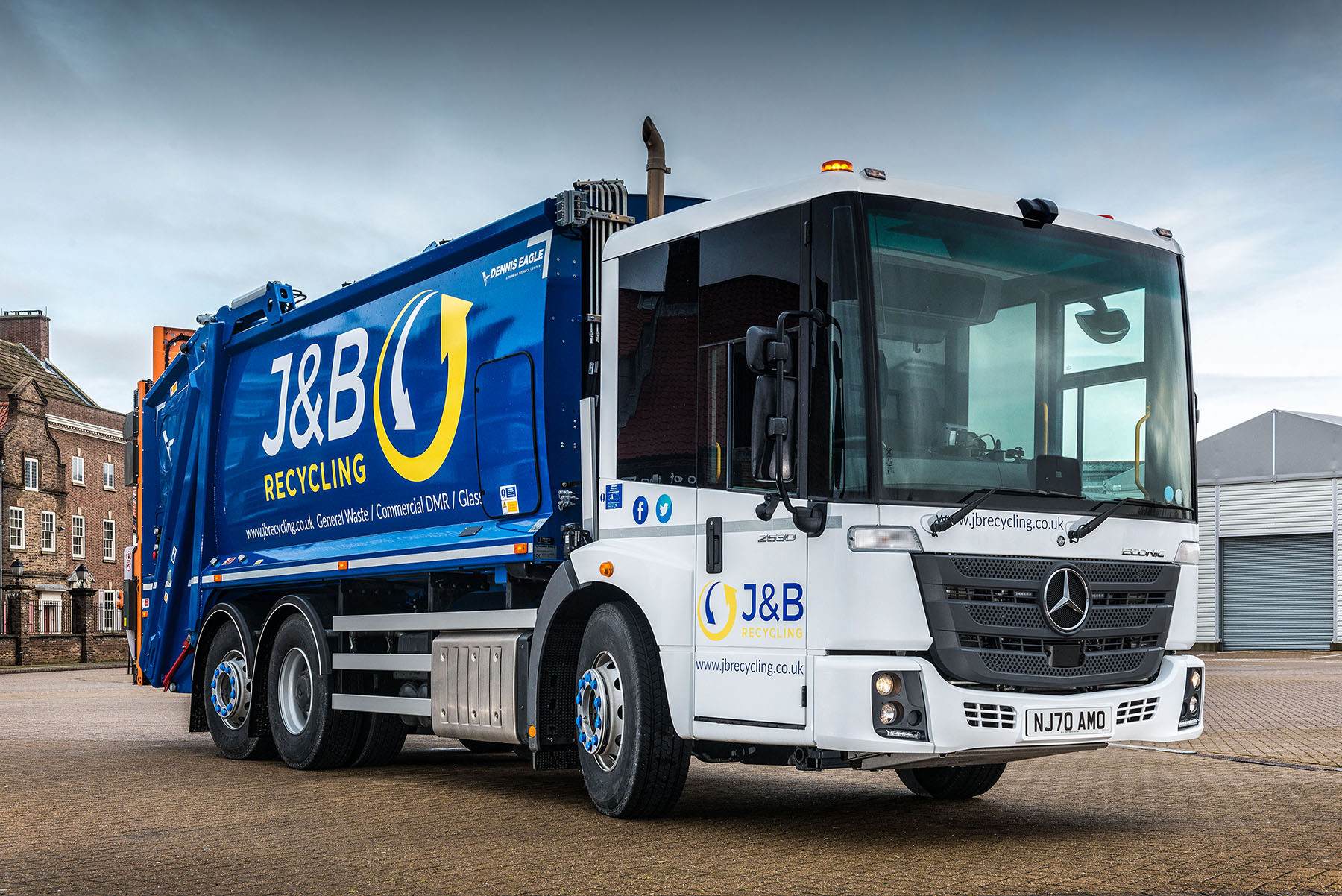
Recycling is collected from businesses across the North East and transported to one of our recycling facilities. We have 4 sites across the North East; Hartlepool, Middlesbrough and Washington, where it eventually ends up in our MRF in Hartlepool. Once it arrives on site, the material enters the sorting process.
2. Arrival & Initial Inspection
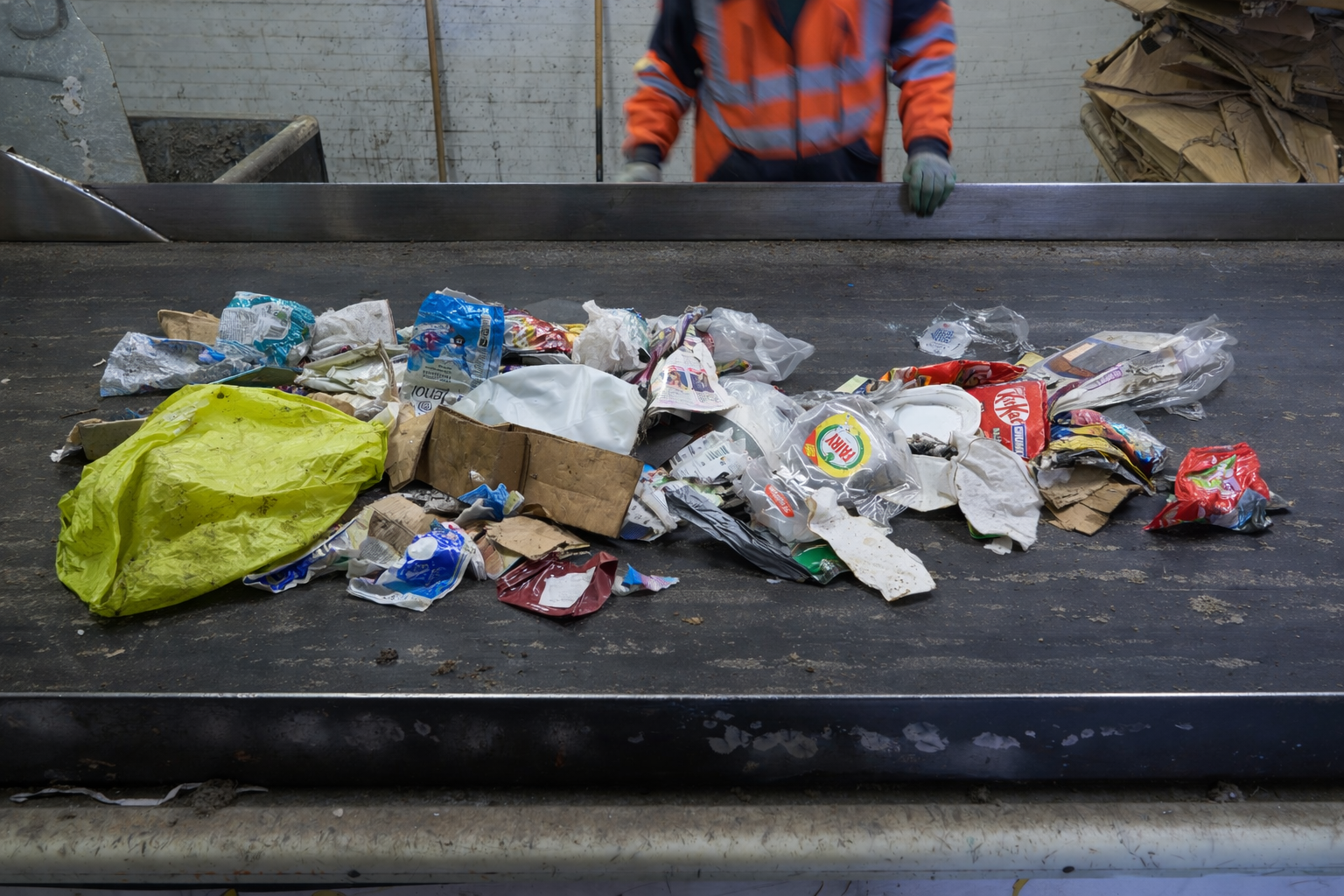
When materials arrive at our MRF, they are unloaded into designated bays before entering the processing line.
At this stage, our recycling operatives carry out visual checks, removing obvious contamination and unsuitable items. These early interventions are essential for protecting machinery and improving the quality of material further down the system.
3. Mechanical Sorting
Materials then move into the mechanical sorting system, passing through x different machines, which sort by shape, size and material type. Here are a few examples:
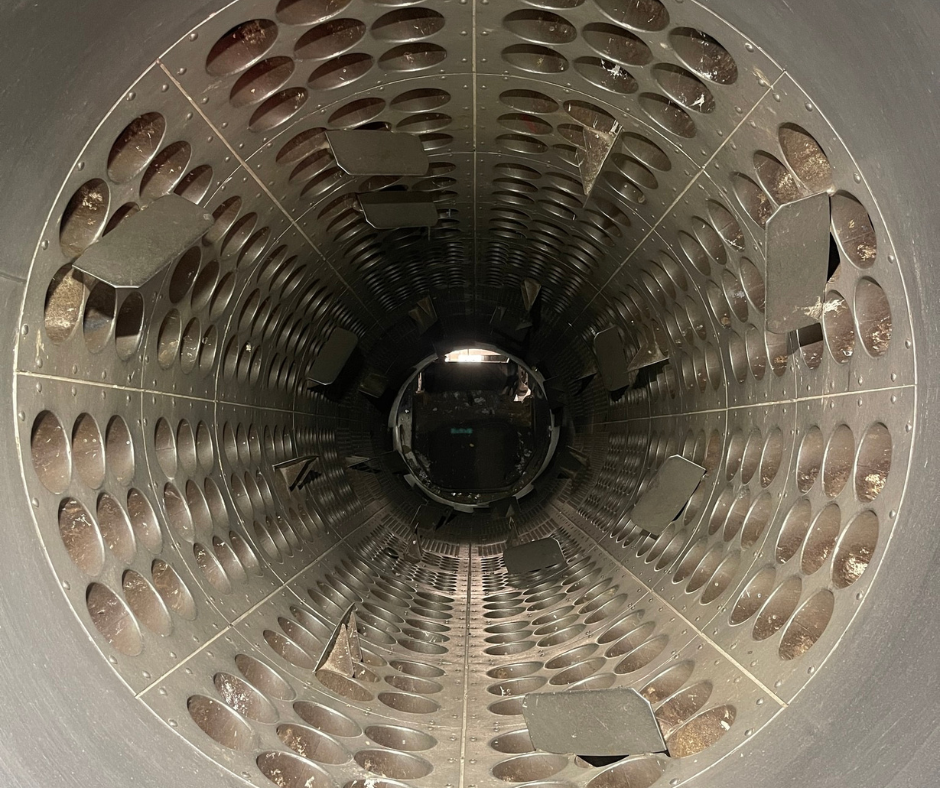
The Trommel
This large rotating drum separates materials by size. Smaller items fall through perforations in the drum, while larger materials continue along the line. By separating material streams early, we create a more controlled and efficient sorting process.
Ballistic Separator
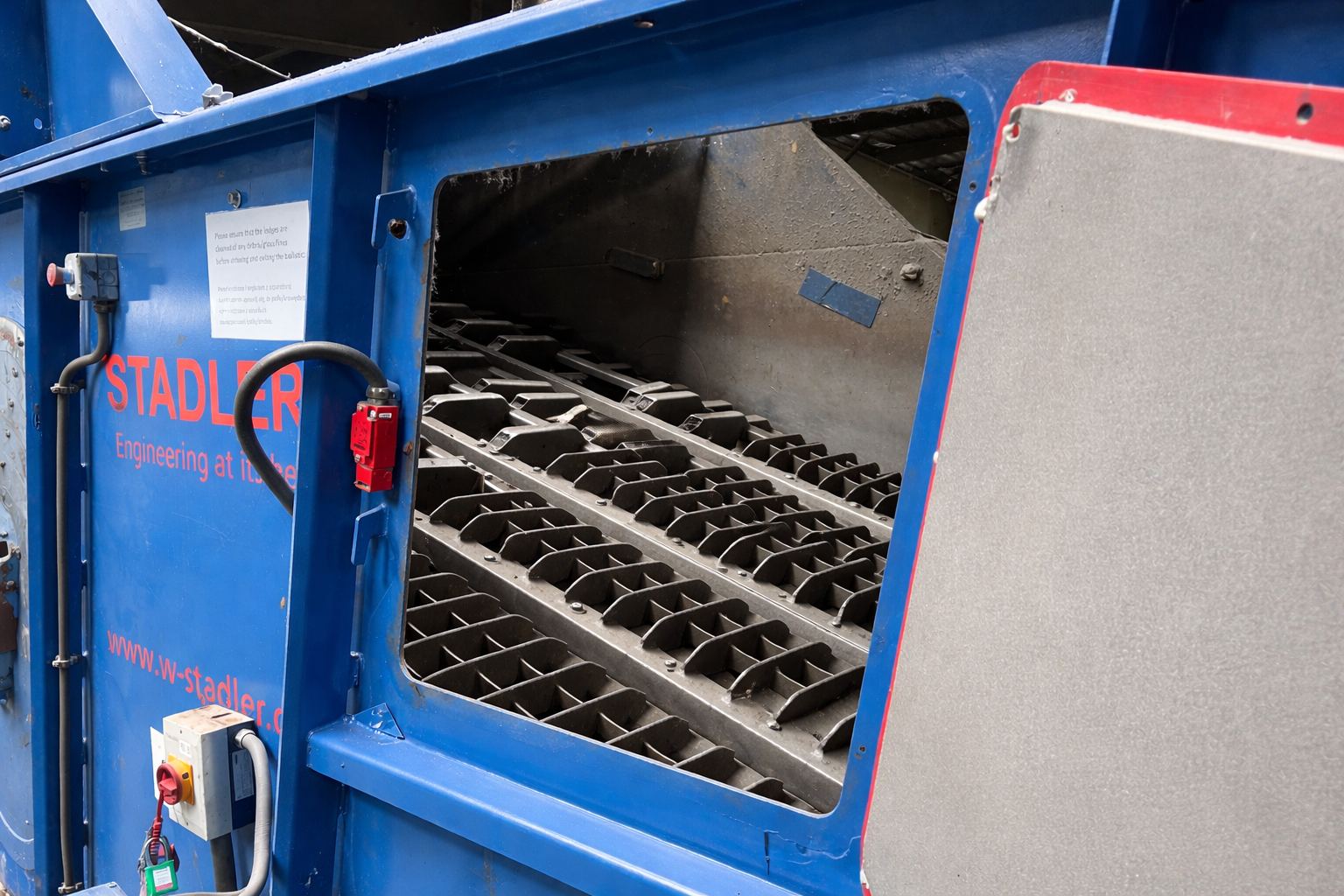
The ballistic separator separates items based on their shape and weight.
This stage divides materials into:
- 2D materials – such as paper and cardboard
- 3D materials – such as plastic bottles and containers
- Fine particles that drop through for separate handling
This is an important stage for fibre quality, helping reduce contamination between paper and container streams.
Eddy Current Separator
To recover valuable metals, materials pass through an eddy current separator.
Using powerful magnetic fields, this technology repels and ejects non-ferrous metals, such as aluminium cans, from the remaining material stream. This ensures more recyclable metal is captured and kept within the recycling system.
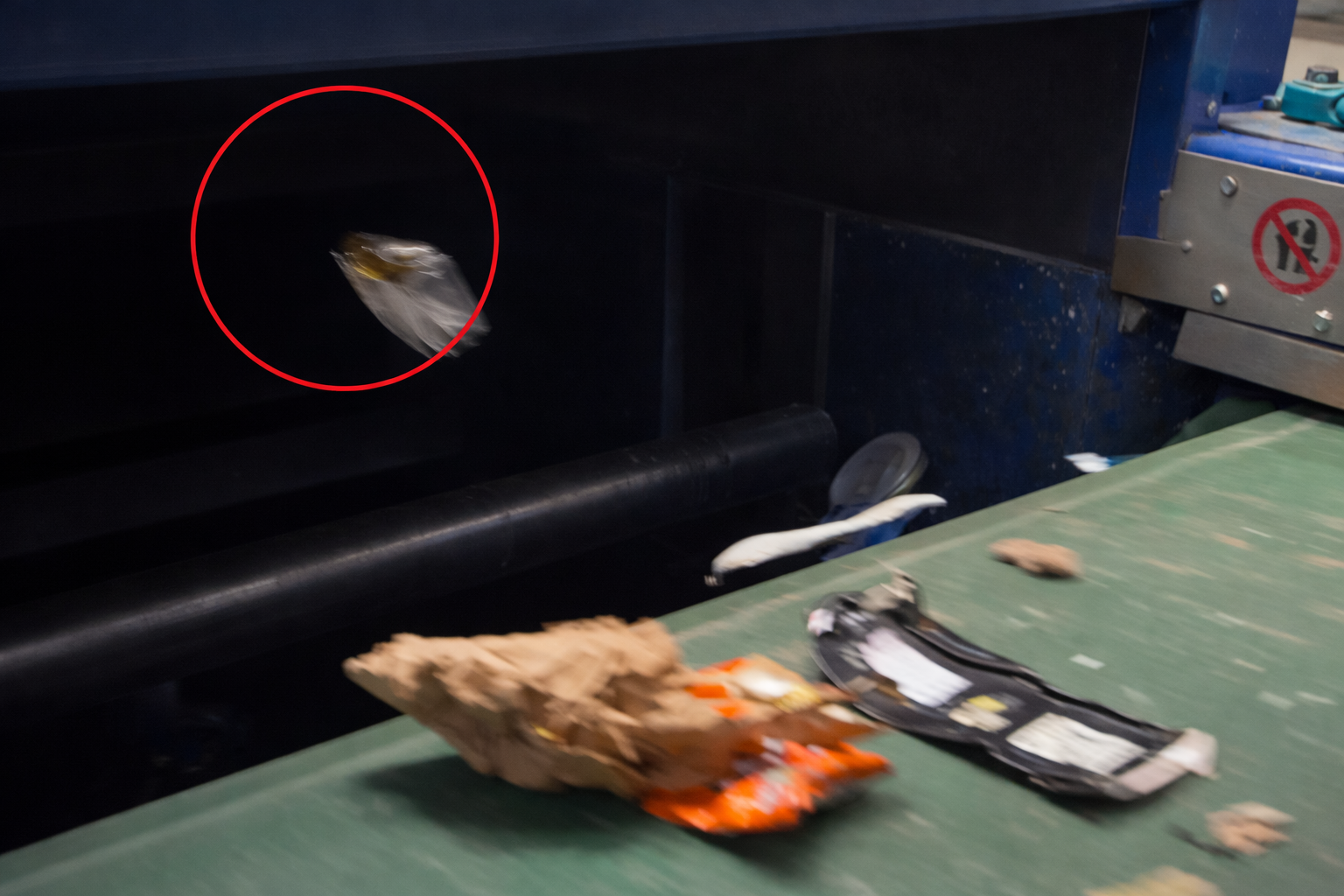
Optical Sorters
As materials continue through the system, optical sorters use infrared scanning to identify different types of plastics and fibres. Targeted air jets then separate materials with precision.
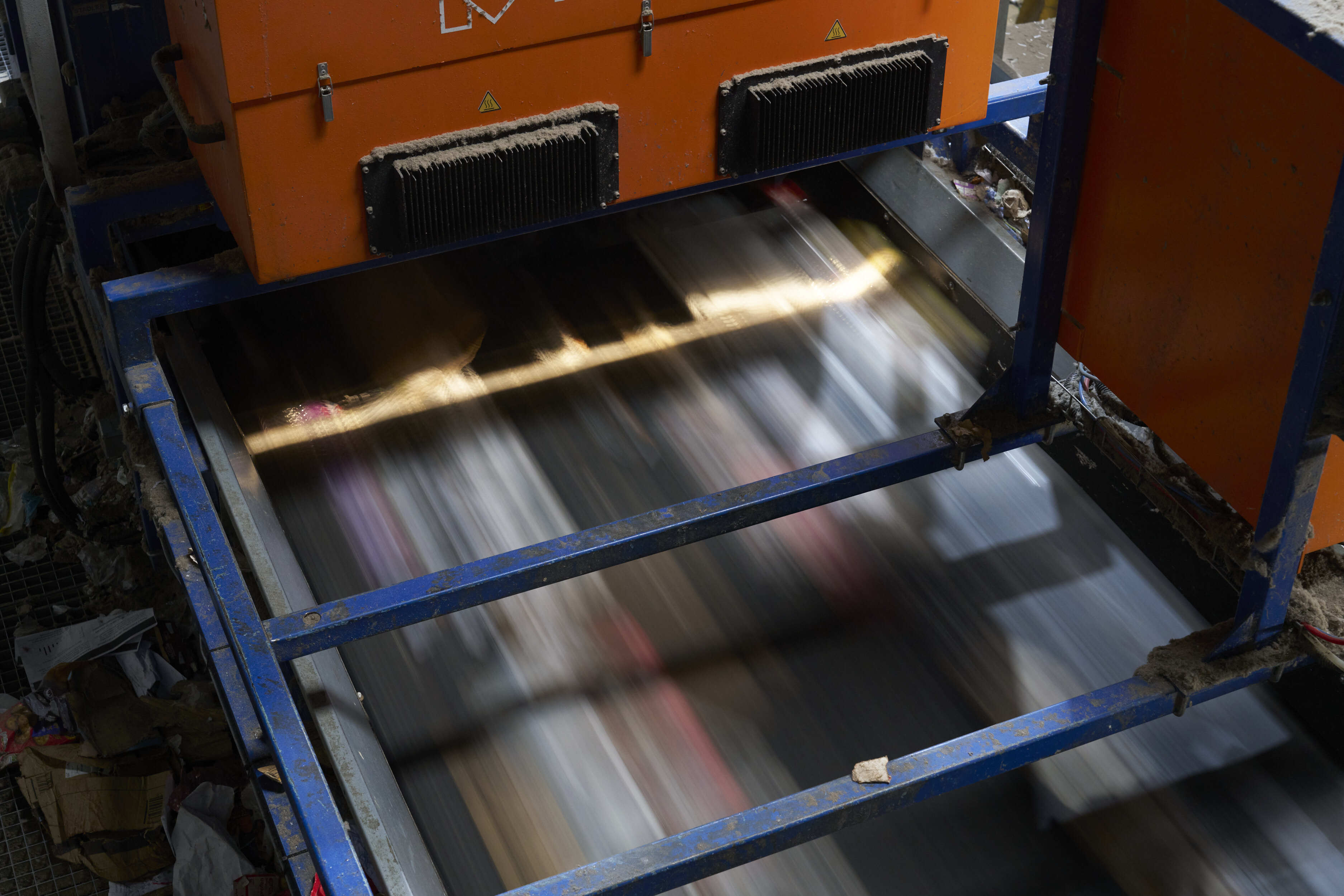
AI Technology
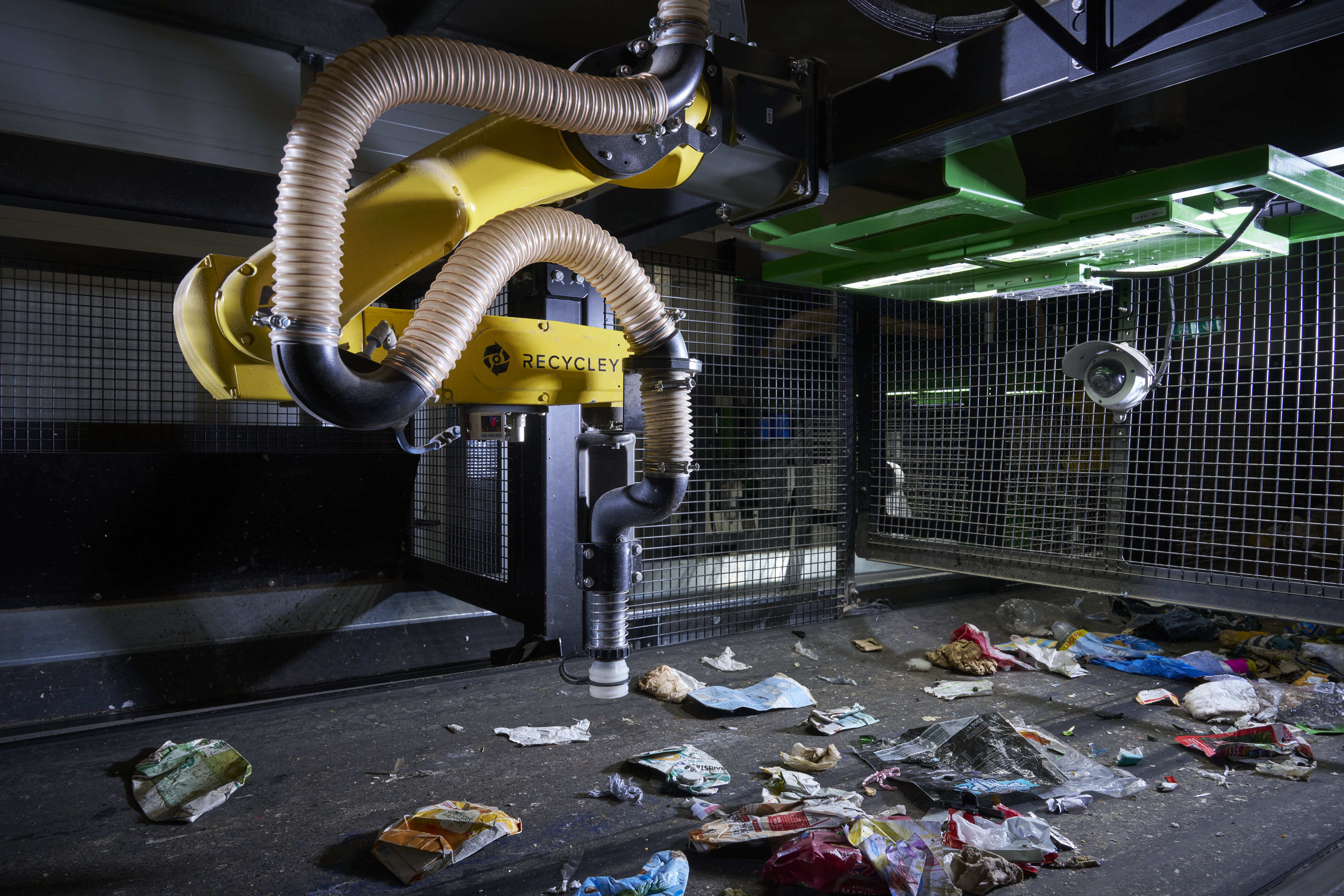
In addition, our site is equipped with an AI-powered robotic arm installed by Recycleye and funded by Tetra Pak.
This system uses visual recognition software to identify food and beverage cartons on the conveyor and remove them automatically. A two-stage checking process ensures high levels of accuracy and reduced contamination.
Unlike traditional machinery, the AI system continuously learns and improves over time, adapting to different waste streams.
4. Manual Quality Control
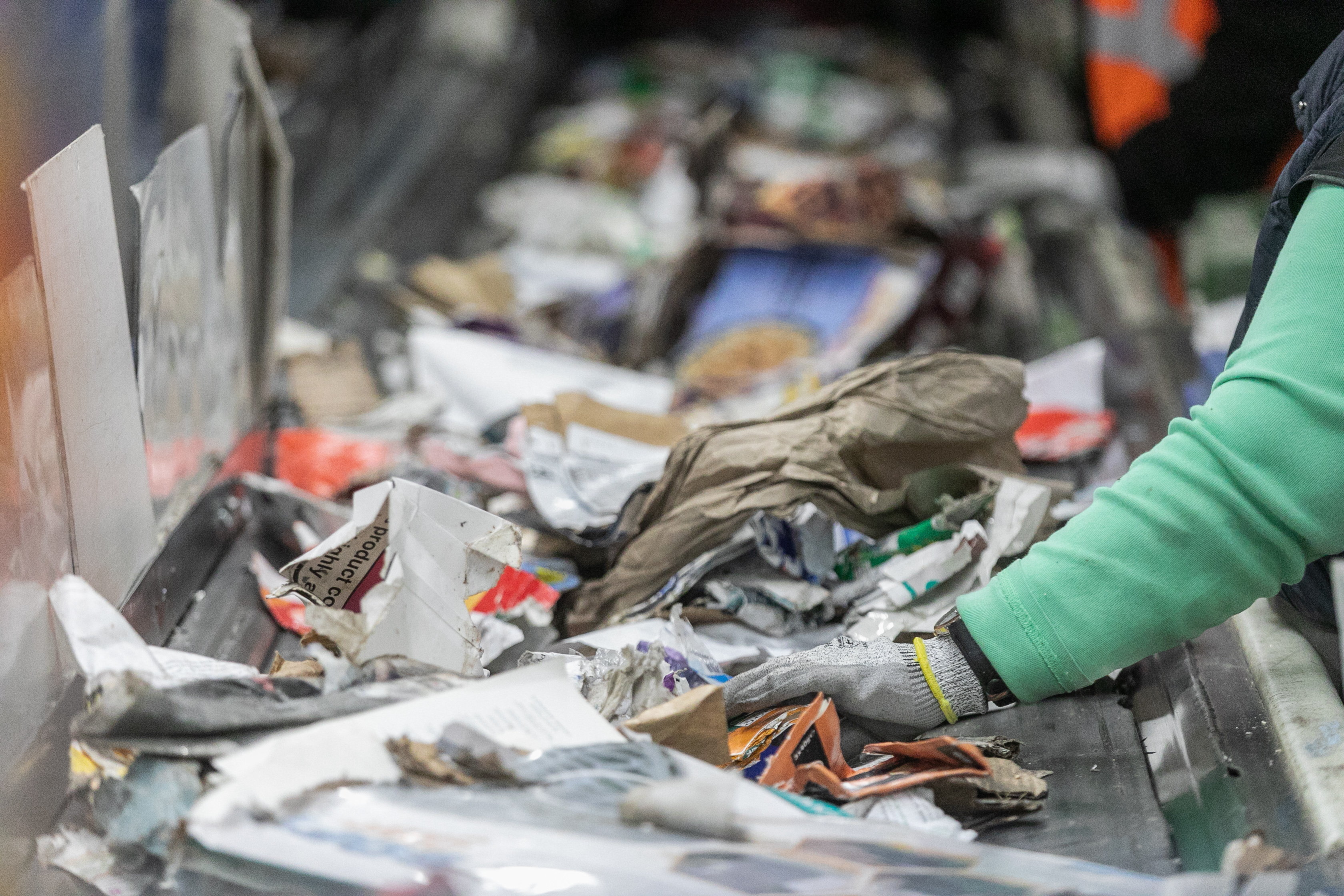
While advanced technology enables us to process material efficiently, our experienced operatives play a vital role throughout the process.
Manual quality control checks take place after mechanical separation, ensuring materials meet required standards before moving to the next stage. This combination of technology and human expertise allows us to maintain high-quality outputs.
5. Baling/Storage
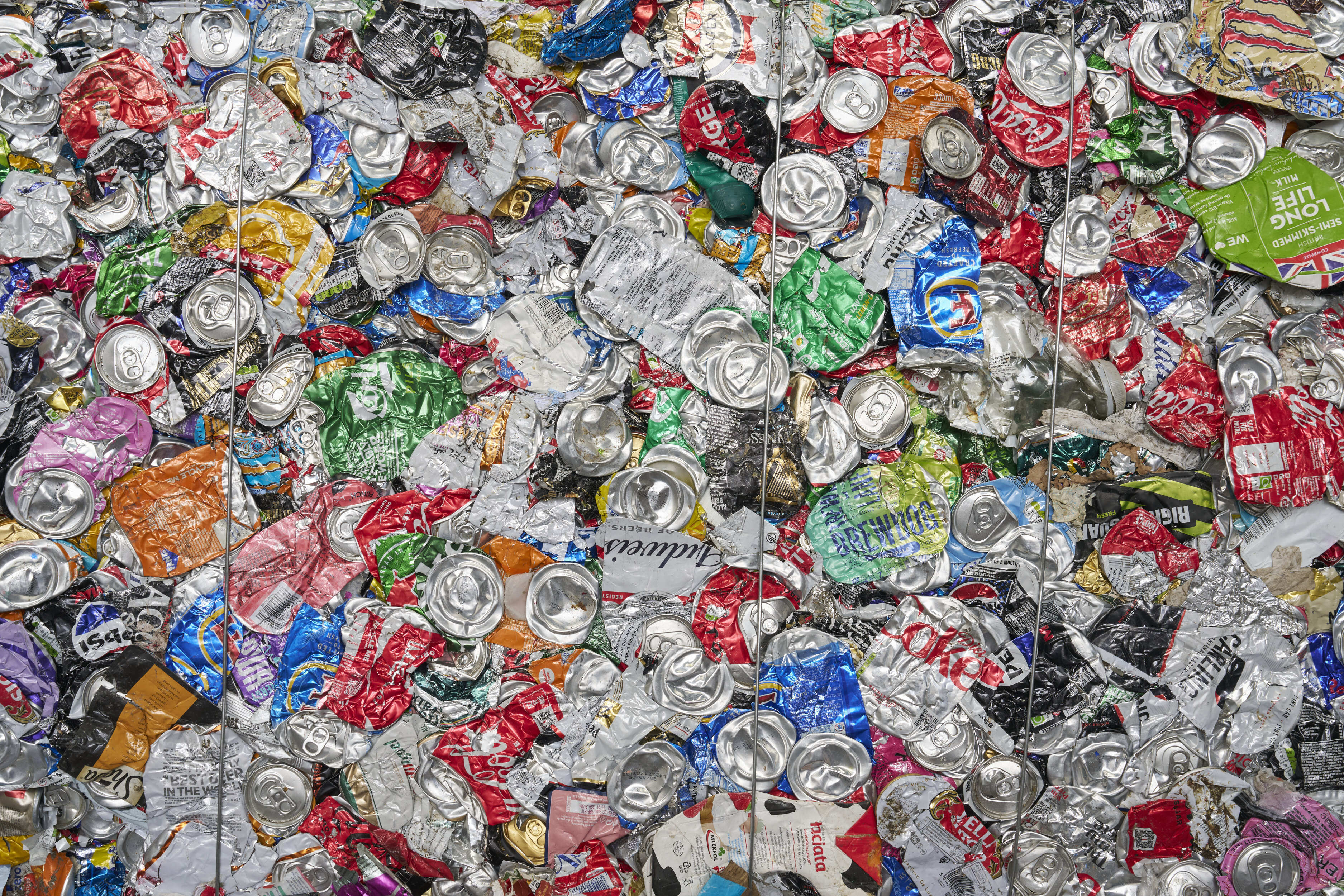
Once materials are fully separated and quality checked, they are prepared for onward transport. Depending on the material type and market requirements, this may involve compacting into bales or storing the material loosely in designated bays.
Baling makes materials easier to store and transport efficiently, while loose storage is used where it is more appropriate for the end reprocessor. In both cases, materials are consolidated and prepared for reprocessing into new products, such as cardboard packaging, metal products and recycled plastics.
Each load represents material that has been diverted from disposal and returned into productive use.
6. Reprocessing
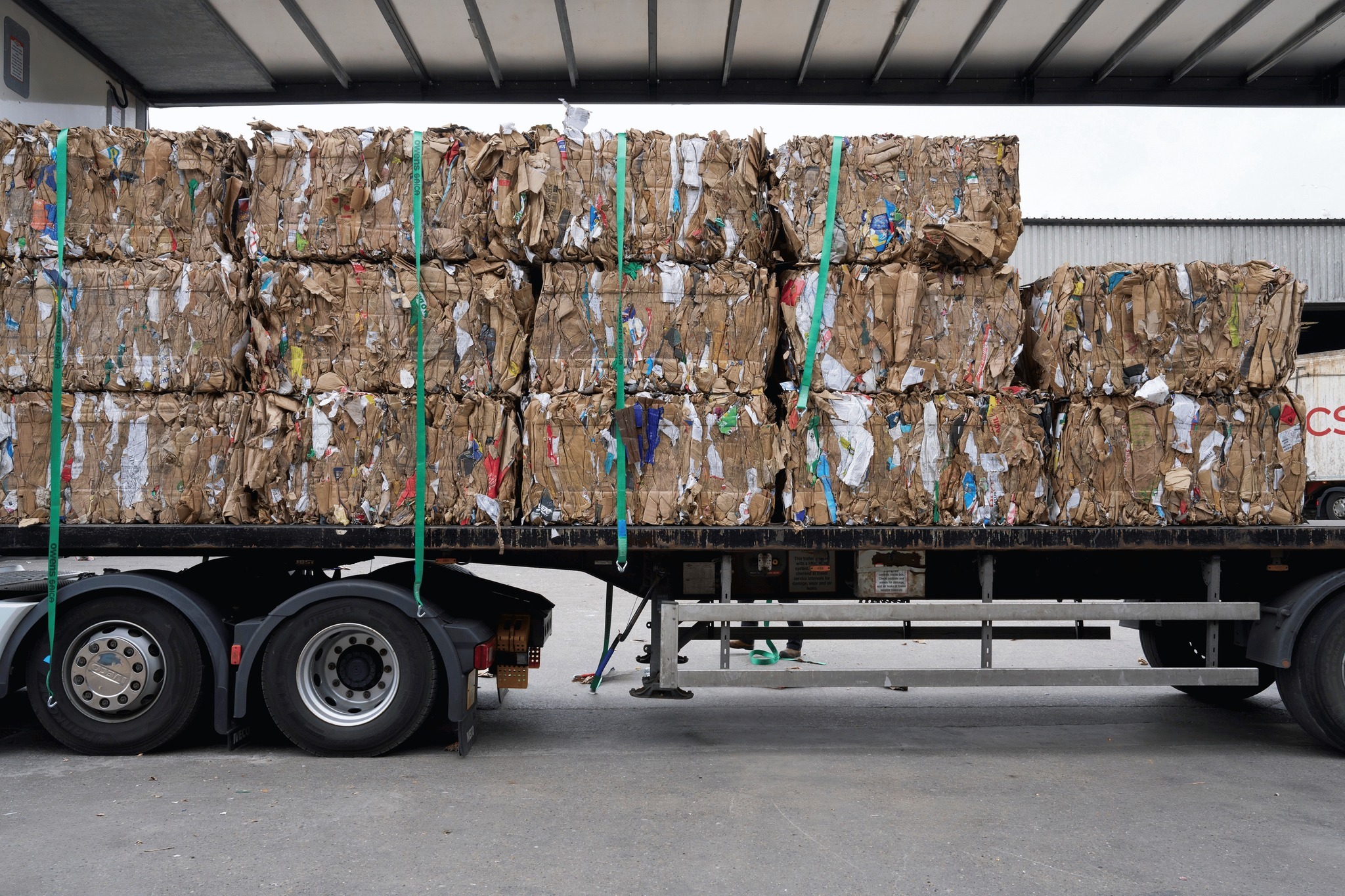
Once prepared for dispatch, materials are transported to trusted, accredited reprocessors.
These specialist facilities transform recyclables into secondary raw materials - ready to be manufactured into new products such as packaging, metal goods and recycled plastics.
By working with carefully selected reprocessing partners, we help ensure materials are handled responsibly, remain traceable and are returned to productive use within the circular economy.
7. Supporting Businesses Across the North East
Based in Hartlepool, J&B Recycling works with organisations across the North East to deliver compliant, reliable and operationally robust waste management services.
We understand that for businesses, waste isn’t just about disposal - it’s about meeting legal obligations, maintaining site safety, controlling costs and ensuring operations run smoothly. Our team works closely with facilities managers, estates teams and procurement leads to design services that reflect the realities of each site, from access constraints and safeguarding requirements to reporting and audit needs.
With our own fleet of collection vehicles, a fully operational Materials Recycling Facility and the capability to provide everything from front-end loader bins to skips and RoRo containers, we deliver total waste management solutions across single and multi-site portfolios. All materials are managed responsibly, with clear traceability and transparent processes.
Our focus is simple: to provide waste management that works in practice — safely, compliantly and efficiently.
Get in touch with our team for more information.
See the process in action
To see the recycling process in full, from collection through to reprocessing, we’ve shared a video on our YouTube channel that shows how materials move through our facilities step by step.
Frequently Asked Questions
What happens to recycling after it is collected?
After collection, recycling is transported to a Materials Recycling Facility (MRF), where it is sorted, quality checked, separated by material type and prepared for reprocessing into new products.
Where does business recycling go after collection?
Business recycling is taken to a recycling facility for sorting and processing. Materials such as paper, cardboard, plastics and metals are separated before being sent to specialist reprocessors.
How is recycling sorted at a recycling facility?
Recycling is sorted using a combination of machinery and manual quality control. Equipment such as trommels, ballistic separators, optical sorters and AI technology help separate materials by size, shape and type.
What is a Materials Recycling Facility (MRF)?
A Materials Recycling Facility (MRF) is a specialist site where mixed recyclable materials are sorted into individual material streams ready for reprocessing and manufacture into new products.
Can contaminated recycling still be recycled?
Some contamination can be removed during the sorting process, but heavily contaminated materials may be rejected. Keeping recycling clean and dry helps maximise recycling rates and material quality.
What happens to recycling after it is sorted?
Once sorted, materials are baled or stored before being transported to accredited reprocessors, where they are turned into secondary raw materials and manufactured into new products.
How can businesses improve their recycling rates?
Businesses can improve recycling rates by providing clear signage, training staff, reducing contamination and ensuring recyclable materials are placed in the correct bins.
