

At J&B Recycling, we process over 200,000 tonnes of recycling every year through our Materials Recovery Facility (MRF). While the majority of materials are correctly placed in recycling bins, contamination is something we still see on a daily basis.
To better understand this, we regularly carry out sampling on incoming loads. This helps us track contamination levels and identify the materials people are most unsure about when it comes to disposal.
Here are some of the most common contaminants we find and what should happen to them instead.
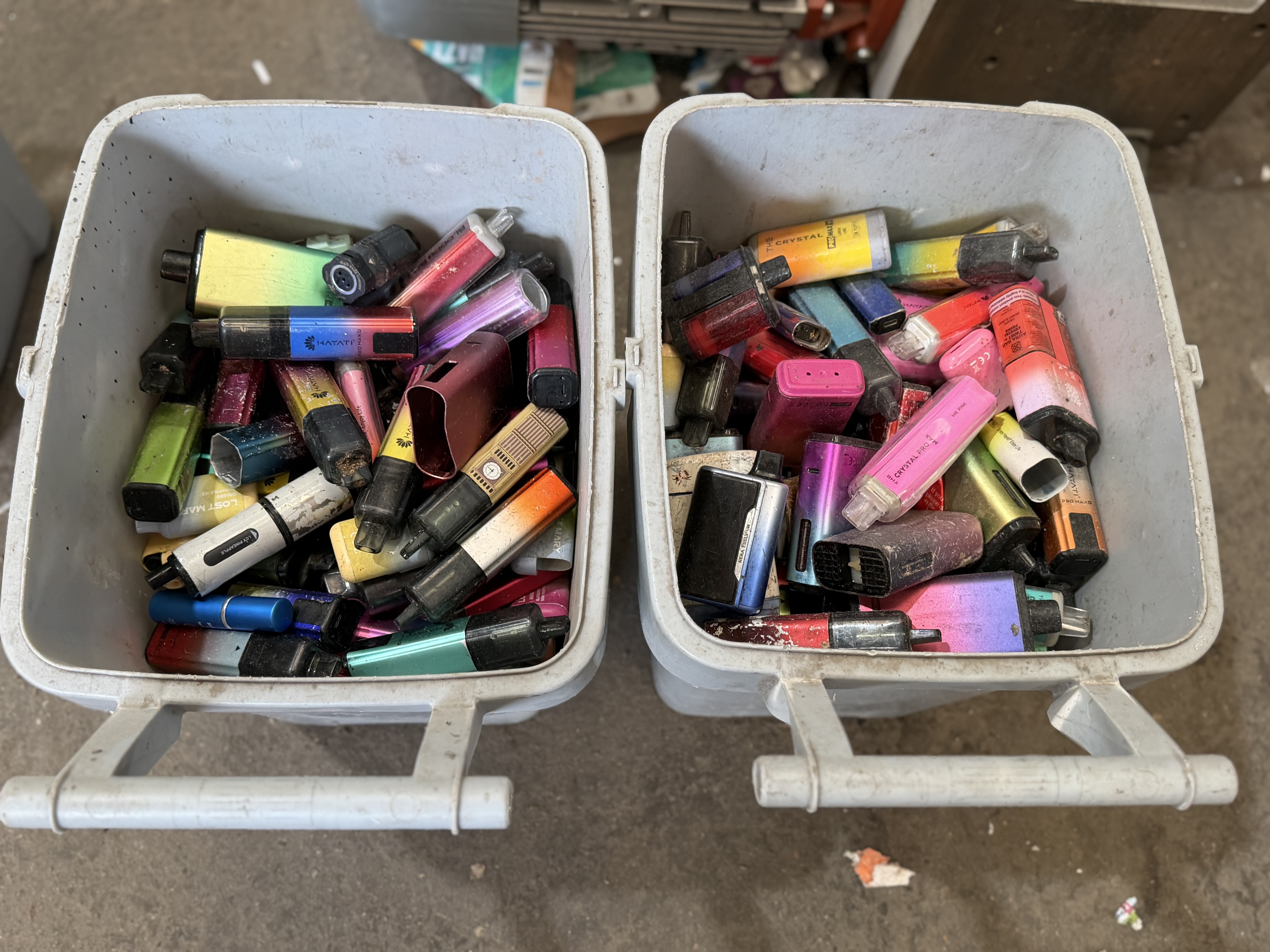
Batteries and Vapes
Batteries and disposable vapes should never be placed in household recycling or general waste bins. They can become damaged during collection and processing, creating a serious fire risk within vehicles and recycling facilities.
This includes:
- Disposable vapes
- Loose household batteries
- Rechargeable batteries
- Batteries contained within electrical items
Batteries and vapes should be taken to a designated collection point, such as a participating retailer or Household Waste Recycling Centre. Where possible, batteries should also be removed from electrical items before disposal.
Gas Cylinders and Pressurised Containers
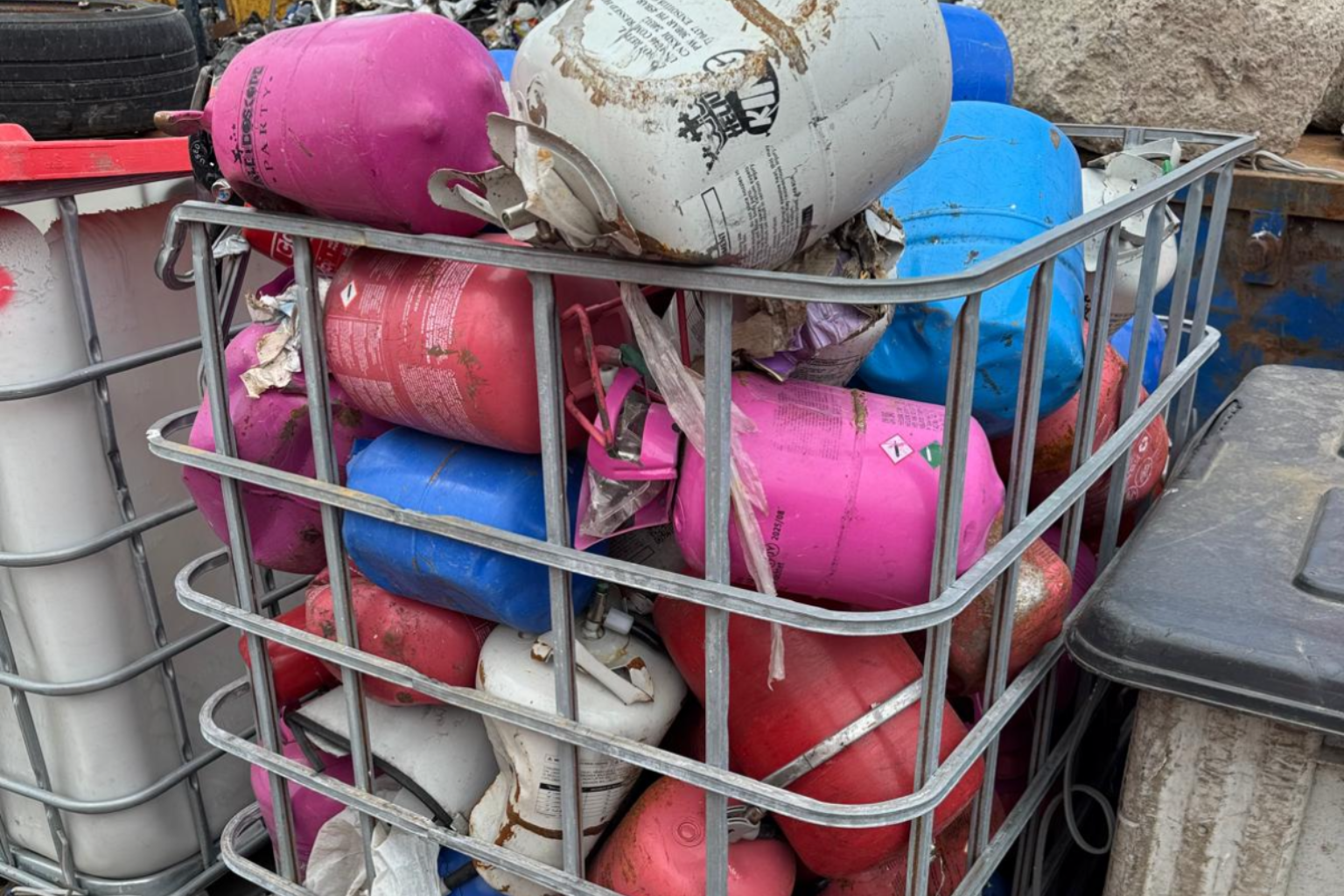
Gas cylinders and other pressurised containers are regularly identified within recycling loads. Even when they appear empty, they may still contain residual gas and can explode if crushed or damaged by processing machinery.
These items include:
- Camping gas canisters
- Nitrous oxide cylinders
- Propane and butane bottles
-Fire extinguishers
- Other pressurised containers
They should be returned to the original supplier where possible or taken to a facility authorised to accept them. They should never be placed in a standard recycling bin.
Electrical Items
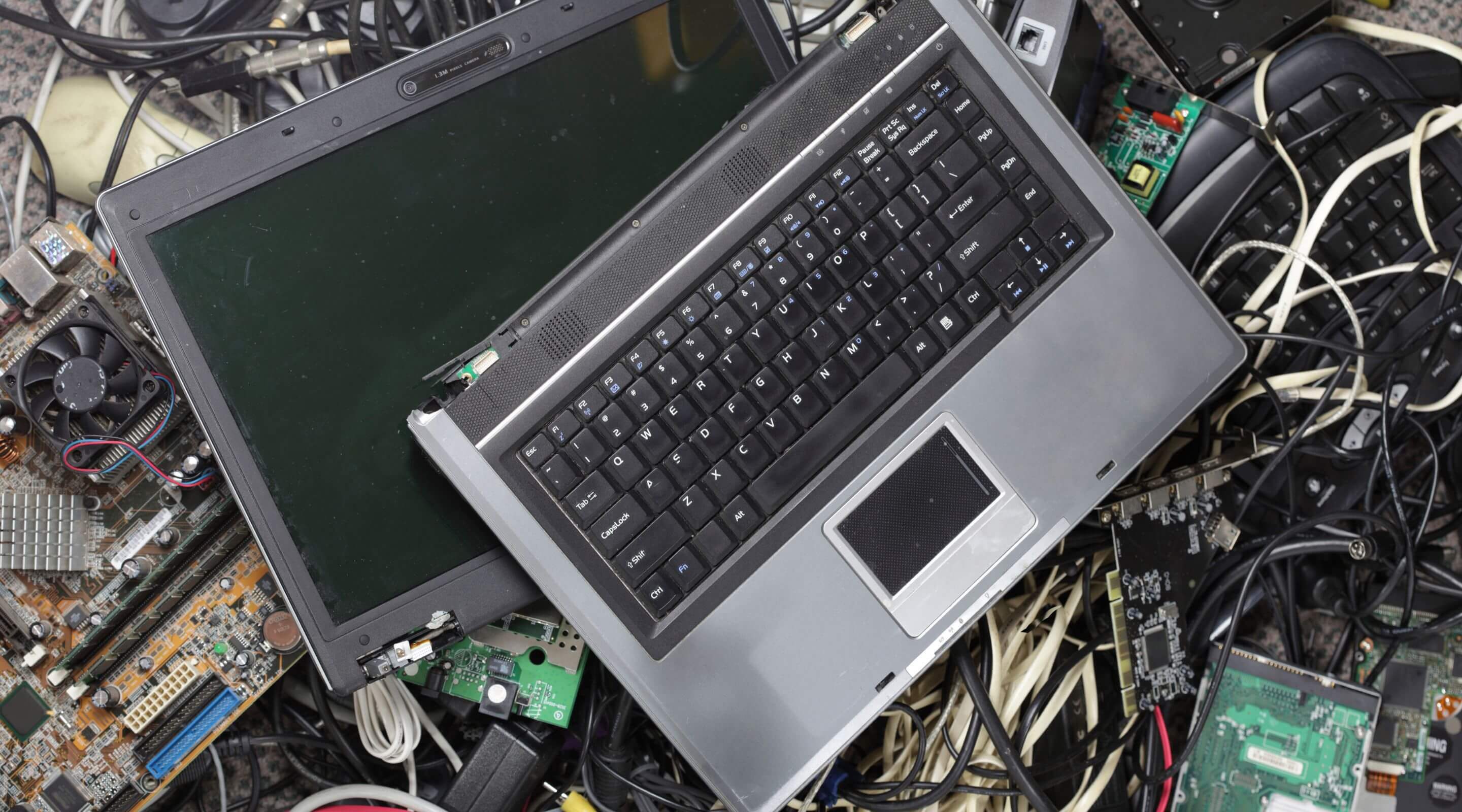
Small electrical items are sometimes mistakenly placed in recycling bins. Electrical equipment often contains batteries, wiring and other components that require specialist processing.
Common examples include:
- Mobile phones
- Chargers and cables
- Electric toothbrushes
- Small kitchen appliances
- Handheld fans
- Toys containing electrical components
If an item uses a plug, battery or charging cable, it should be recycled through a designated electrical-waste collection point, retailer take-back scheme or Household Waste Recycling Centre.
Garden Waste
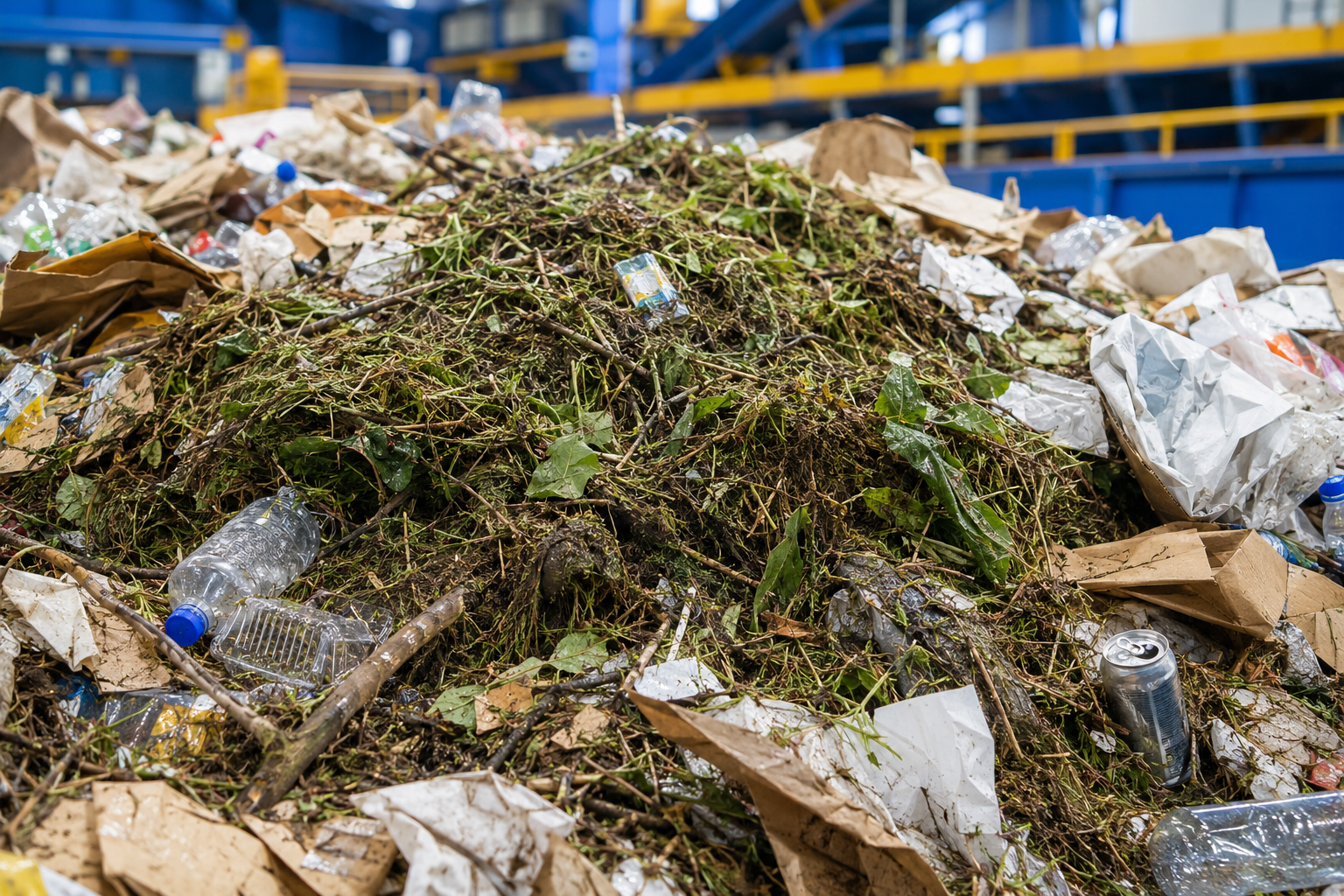
Garden waste cannot be processed alongside paper, cardboard, cans and plastic packaging within a Materials Recovery Facility. Soil and organic material can also contaminate otherwise recyclable materials.
Examples include:
- Grass cuttings
- Leaves Plants and flowers
- Small branches
- Soil
Garden waste should be placed in a dedicated garden-waste bin, composted at home or taken to an appropriate Household Waste Recycling Centre.
Disposable Cups
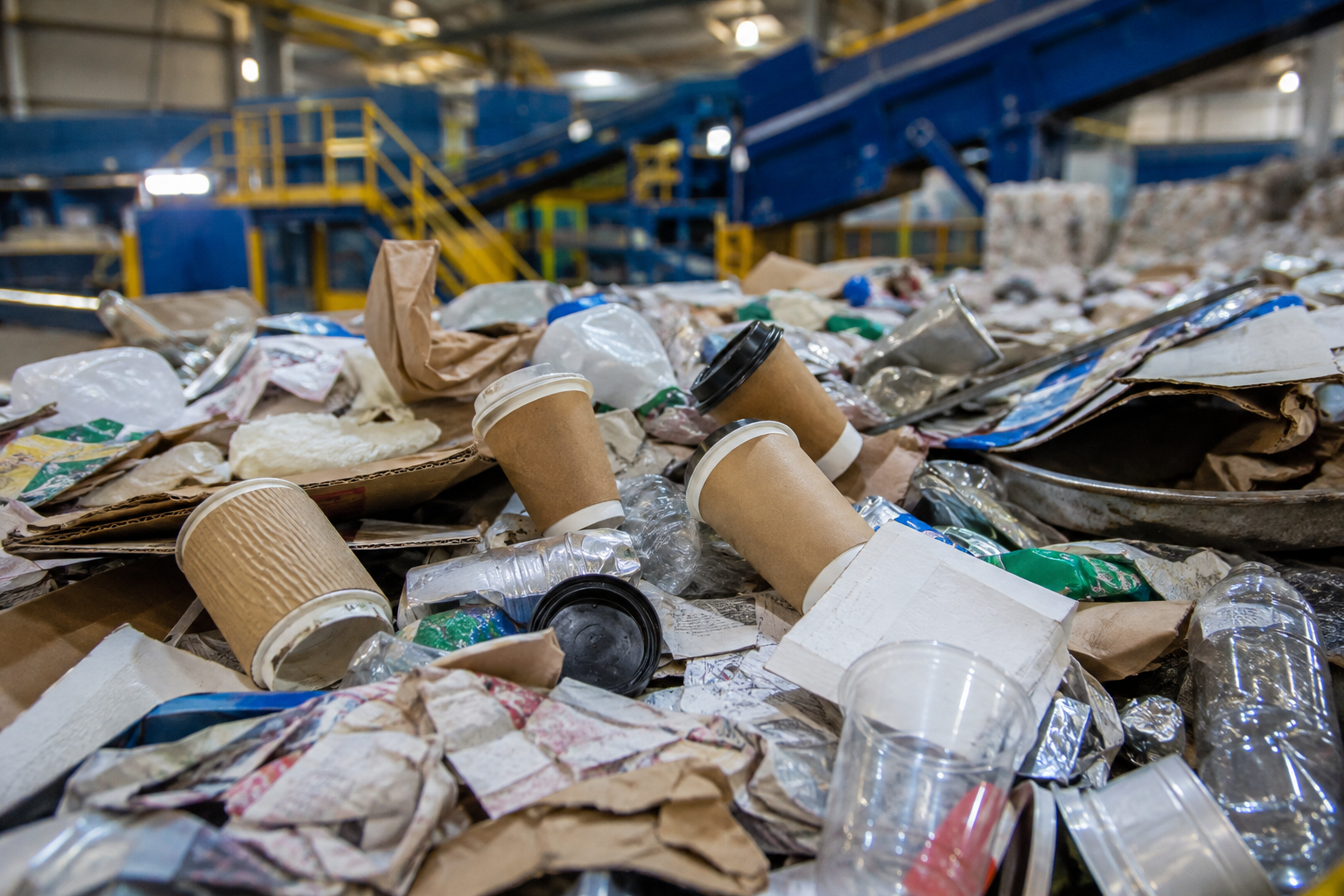
Disposable coffee cups can look like ordinary paper, but many contain a thin plastic lining that helps make them waterproof. This combination of materials means they often require specialist recycling.
Where possible, disposable cups should be taken to a dedicated cup-recycling point. If no suitable scheme is available locally, they should be placed in general waste. Using a reusable cup is the best way to reduce this type of waste.
Food Waste and Contaminated Packaging
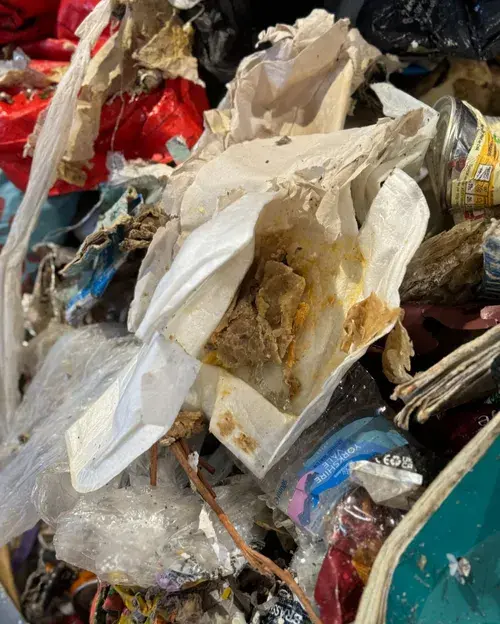
Food waste is one of the most common forms of contamination found during sampling. Leftover food, liquids and sauces can leak onto paper and cardboard, reducing the quality of materials that could otherwise be recycled.
Before placing packaging in a recycling bin, it should be:
- Completely emptied
- Rinsed where possible
- Allowed to drain
- Free from significant food residue
Food waste should be placed in a dedicated food-waste bin or general waste where a separate collection is unavailable. Always check the guidance provided by your local authority or waste-management provider.
Clothing and Textiles
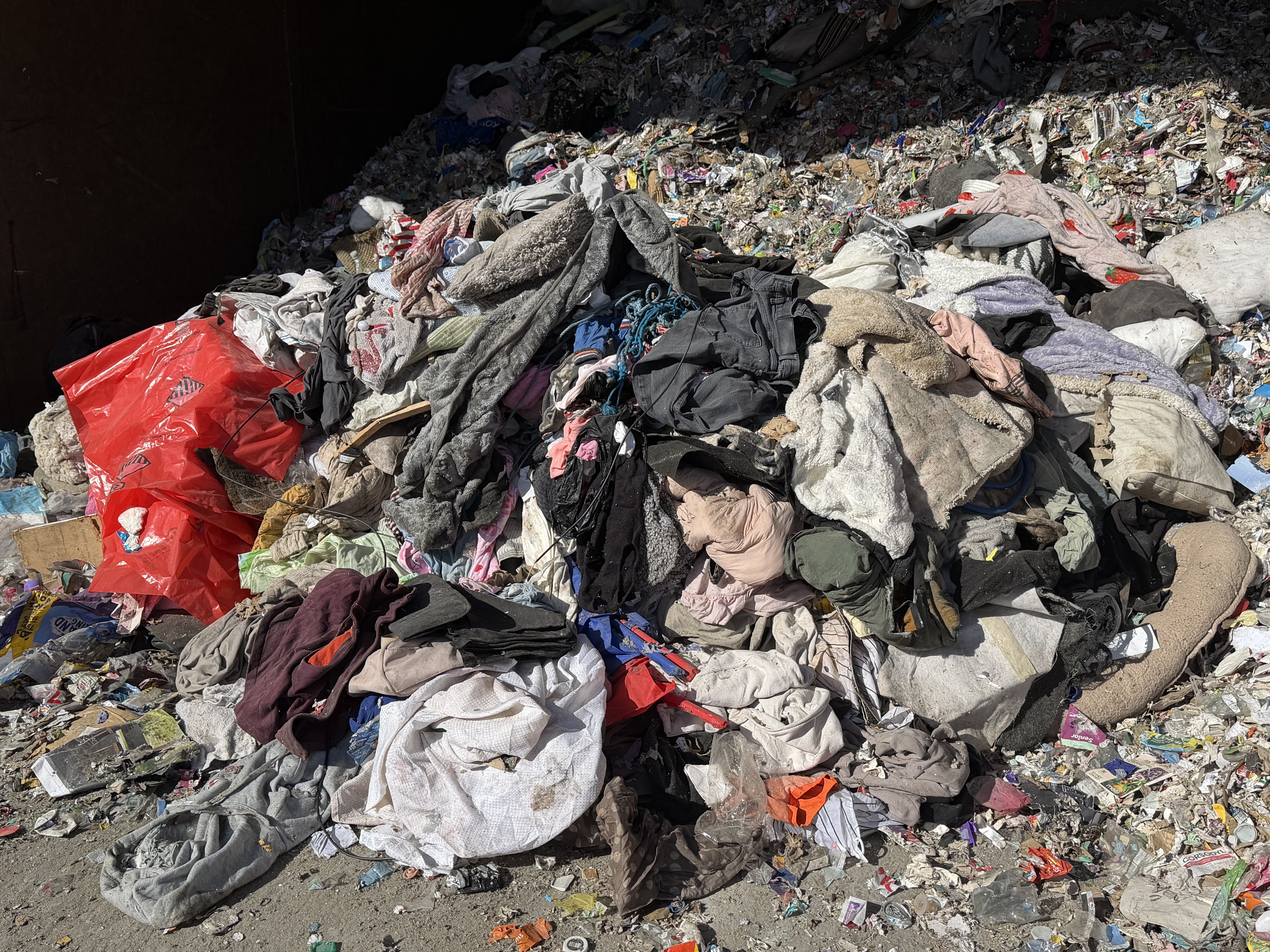
Clothing, shoes and other textiles regularly appear within recycling loads. These materials cannot be processed through a standard Materials Recovery Facility and may become tangled around sorting equipment.
This includes:
- Coats and clothing
- Shoes and trainers
- Towels and bedding
- Fabric offcuts
- Bags and accessories
Where possible, unwanted textiles should be donated, reused or taken to a textile-recycling bank. Even worn or damaged items may be accepted through specialist textile-recycling schemes, so it is worth checking before placing them in general waste.
Nappies
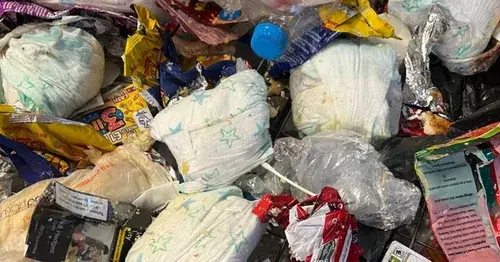
Nappies should never be placed in a recycling bin. They are made from a combination of plastic, absorbent material and other fibres that cannot be separated through standard recycling systems.
Used nappies also create hygiene and safety concerns for employees who manually inspect and sort materials within recycling facilities. The same applies to similar hygiene products, including:
- Incontinence products
- Sanitary products
- Baby wipes
- Cleaning wipes
These items should be securely bagged and placed in general waste, unless a specialist collection service is available locally. Placing them in the correct bin helps protect sorting teams and prevents recyclable materials from becoming contaminated.
Supporting Better Recycling
Reducing contamination starts with clear and practical guidance. J&B Recycling works closely with our commercial customers to provide contamination advice and front-end solutions tailored to their workplace, including appropriate waste streams, clearly labelled bins, signage, posters and educational materials.
We are also committed to supporting the wider local community by sharing accessible recycling guidance and raising awareness of the materials commonly found within recycling loads. Through educational content, community engagement and visits to our Materials Recovery Facility, we aim to help people better understand what happens to their waste after collection.
By working together, businesses, households and local communities can improve the quality of recycling, protect valuable materials and help recycling facilities operate more safely and efficiently. If you are unsure about how to manage your waste or would benefit from additional guidance, our team is always happy to help, contact us.
